MadVR Surgical
At MadVR, I worked on developing surgical simulations with a focus on realism, collaborating with developers, 3D modelers, surgeons, medical consultants, and product managers. The company’s mission is to revolutionize medical education by providing young surgeons with tools that help them become well-versed in their craft. My contributions included simulating complex surgeries like bucket handle tear repairs and femur fracture surgeries, as well as adding features that allowed users to explore different anatomical layers and understand the assembly of intricate medical tools, all aimed at enhancing the learning experience.
Client
MadVR
Year
2024-2025
Category
UX/VR
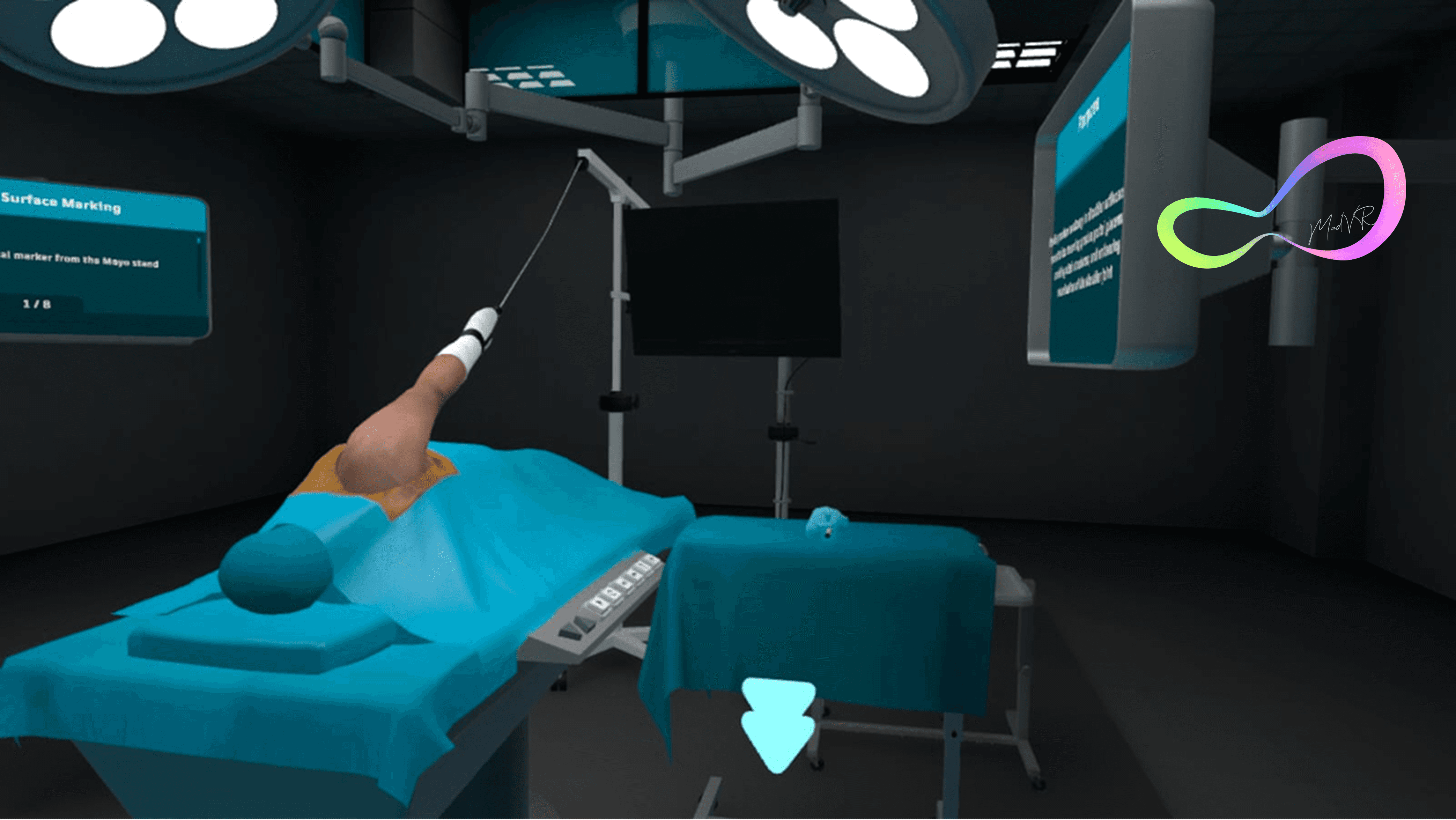
MadVR revolutionizes medical education by providing hyper-realistic VR surgical simulations. With a focus on complex procedures like femur fracture and bucket handle tear repairs, the platform allows users to explore anatomical layers and interact with surgical tools. By blending realism and interactivity, MadVR ensures young surgeons are well-prepared for real-world challenges, bridging the gap between theory and practice.
Medical students often face significant challenges in gaining practical surgical experience. Traditional training methods rely heavily on cadavers, which are limited in availability and offer no dynamic feedback. Workshops and hands-on training sessions can be expensive, infrequent, and inaccessible to many. As a result, students may graduate with strong theoretical knowledge but limited confidence and experience in performing actual procedures. This lack of real-world practice can impact both learning outcomes and patient safety.
MadVR addresses this gap by providing highly realistic VR surgical simulations, giving students the opportunity to practice complex procedures repeatedly in a controlled, immersive environment—without the constraints of traditional methods. It allows learners to explore anatomy in depth, understand the use of medical tools, and build surgical intuition, all while receiving consistent visual, auditory, and haptic feedback.
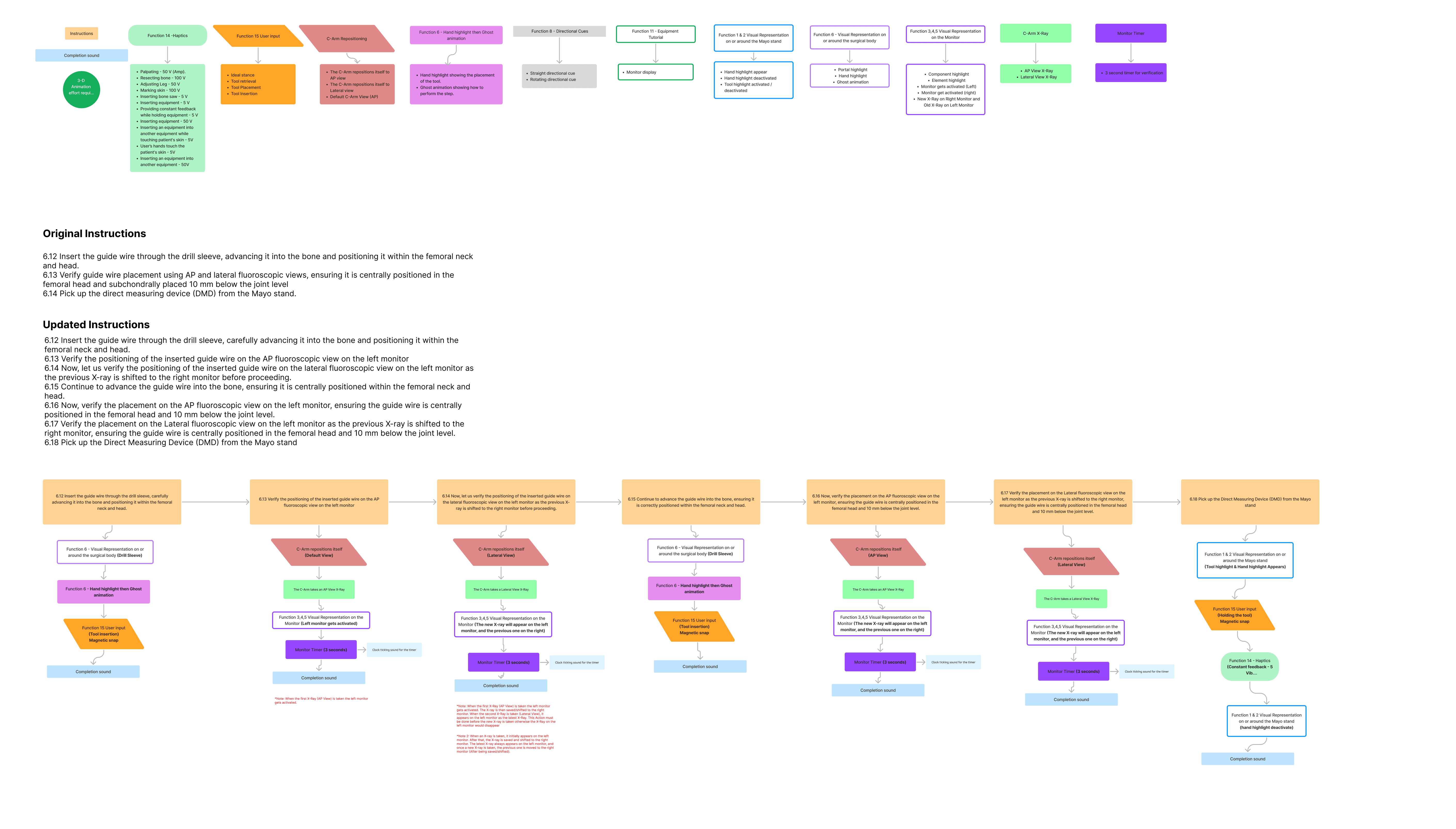
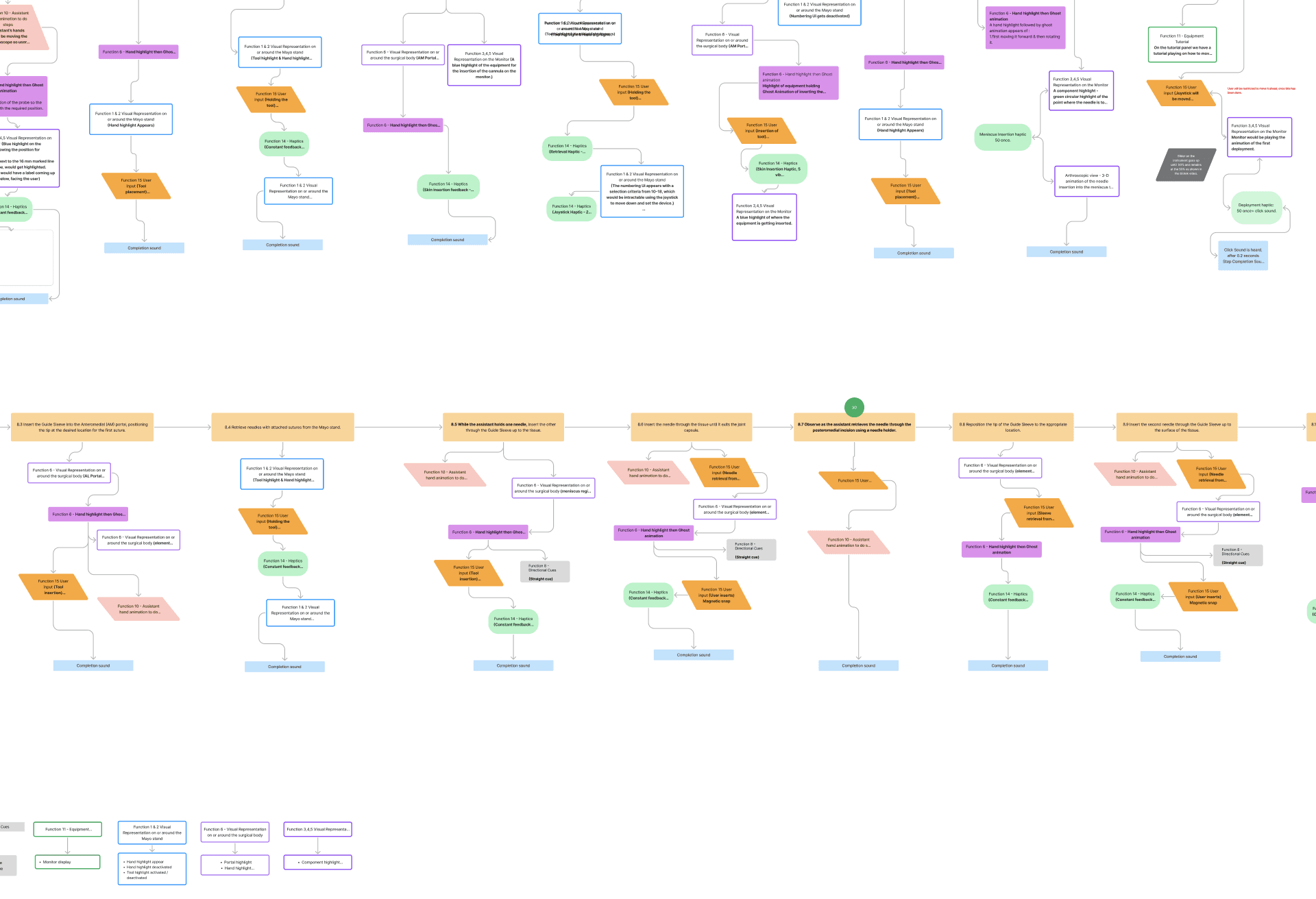
I led the design of complex UX for VR surgical training simulations, managing cross-functional collaboration across 3D modelers, Unity developers, storyboard artists, and UX professionals. Through extensive user and stakeholder research—including direct input from surgeons—I helped shape realistic and intuitive training environments. I designed and prototyped high-fidelity UX flows that emphasized surgical accuracy, interaction detail, and optimized functionality to improve engagement and learning outcomes. Additionally, I refined UI/UX pipelines to deliver seamless, immersive, and user-friendly VR experiences that aligned closely with both technical and educational objectives.